
Thinning hair affects millions of men and women, impacting confidence and self-image in profound ways. At MEDHERO, Dr. Greg Moreno, MD and Dr. Keith Yablonicky, MD combine their emergency medicine expertise with advanced regenerative treatments to address the root causes of hair loss and restore natural growth. Our comprehensive approach goes beyond surface-level solutions to deliver personalized strategies that work with your body’s own healing mechanisms.
Hair Loss Therapy
Understanding Hair Loss Therapy
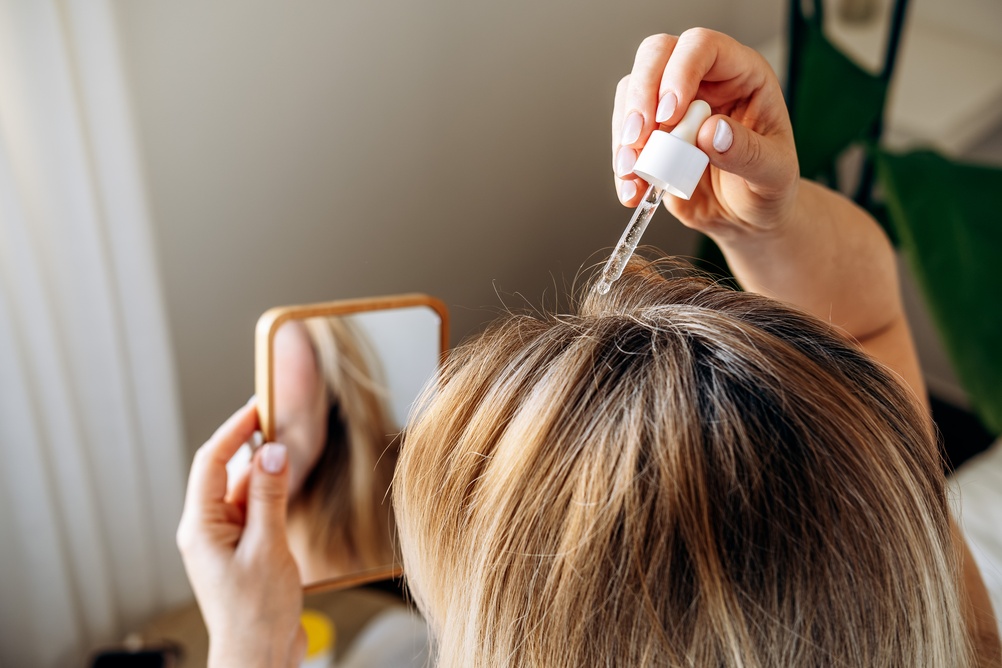
Hair loss therapy encompasses a range of medical treatments designed to slow, stop, or reverse thinning hair and balding patterns. These therapeutic approaches address the biological factors that affect follicle health and growth cycles through interventions like platelet-rich plasma (PRP) injections, custom medications, and regenerative treatments.
Hair restoration works by reactivating dormant follicles, delivering concentrated growth factors directly to the scalp, optimizing hormone levels that influence production, and providing the cellular building blocks needed to produce healthy strands. The goal is not just to prevent further thinning but to regenerate fuller, thicker hair by targeting underlying causes like hormonal imbalances, nutritional deficiencies, inflammation, or genetic factors rather than simply masking symptoms with topical products.
Our Hair Loss Therapy Services
We offer multiple evidence-based treatments that can be used individually or combined for optimal results, each tailored to your specific thinning pattern and underlying causes.
How Our Hair Loss Therapy Works
Comprehensive Scalp and Health Evaluation
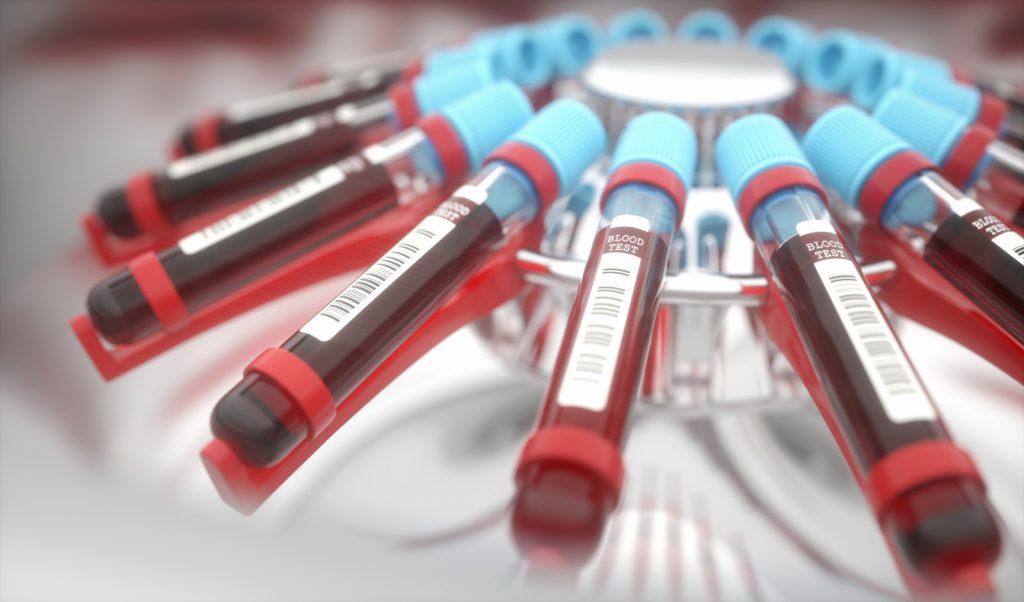
Your first visit includes a thorough examination of your scalp, medical history review, and discussion of your thinning timeline and family history with Dr. Yablonicky or Dr. Moreno. We’ll order comprehensive blood work to identify any hormonal imbalances, nutritional deficiencies, or underlying health conditions contributing to your condition. This diagnostic phase is essential for creating a treatment plan that addresses your specific triggers rather than applying a generic protocol.
Personalized Hair Restoration Strategy
Your lab results and physical assessment guide us in designing an individualized combination of therapies suited to your thinning pattern and goals. Your plan may include PRP treatments scheduled monthly, custom medications to balance hormones or block DHT, and supportive therapies like copper peptides or exosomes. We’ll explain exactly how each treatment works, what results you can expect, and the timeline for seeing improvements in density and thickness.
Targeted Treatment Delivery
Most procedures are performed right in our office during appointments lasting 30 to 60 minutes. For PRP restoration, we apply topical anesthetic to minimize discomfort before injecting the concentrated plasma into treatment areas. Microneedling sessions typically take about 30 minutes and involve minimal discomfort with our advanced numbing protocols. Dr. Moreno prescribes custom medications with detailed instructions and monitors your response through regular check-ins.
Post-Treatment Care and Optimization
You’ll receive specific guidelines after your session to maximize results and protect your investment. Most patients return to normal activities the next day with no visible signs of treatment. We recommend avoiding vigorous exercise for 24 hours after injections, using gentle hair care products, and following any medication schedules precisely as prescribed to maintain consistent therapeutic levels for optimal regrowth.
Ongoing Progress Monitoring and Adjustments
Regrowth is a gradual process that requires patience and consistent treatment. We’ll schedule follow-up appointments every four to six weeks to assess your progress, adjust your plan if needed, and ensure you’re on track to meet your goals. Most patients begin seeing visible improvements in thickness and density after three to six months of treatment, with continued enhancement over time. Dr. Yablonicky reviews your progress at key milestones to optimize your protocol.
Why Choose Us for Hair Loss Therapy
Board-certified physicians who have spent over a decade mastering emergency medicine lead our hair restoration practice with direct involvement in every aspect of your care. Our doctors at MEDHERO personally examine your scalp, interpret lab work, perform PRP injections, and adjust medications based on how your follicles respond. Their emergency medicine training provides a deep understanding of how hormones, cellular processes, and nutrient absorption affect hair regrowth. Your dosing, injection technique, and treatment frequency are determined by your unique physiology and response patterns. Results not meeting expectations get addressed immediately rather than continuing an ineffective protocol.

Experience Physician-Led Hair Loss Therapy That Delivers Real Results
You deserve hair restoration guided by medical doctors who understand the complex biology behind regrowth, not just technicians following scripts. Dr. Greg Moreno, MD and Dr. Keith Yablonicky, MD have built MEDHERO around the principle that reversing hair loss requires deep lab analysis, proper dosing, and ongoing adjustments based on your individual response, and they personally oversee every treatment in La Costa and San Clemente.
Check out our Yelp reviews to see how our physician-supervised PRP therapy and regenerative treatments have helped patients regrow thicker, healthier hair, then find us on Google Maps for easy directions to either location. Follow our Instagram, YouTube, and Facebook pages for before-and-after transformations, patient testimonials, and educational content about advanced hair restoration techniques. Call 949.218.4455 for San Clemente or 760.652.6071 for La Costa/Carlsbad today to schedule your comprehensive evaluation and start your personalized treatment plan.
FAQs
What is PRP?
PRP stands for platelet-rich plasma, a concentration of your own blood platelets that contains powerful growth factors proven to stimulate follicle activity. We draw a small amount of your blood, process it in a centrifuge to concentrate the platelets, then inject this enriched plasma into areas of thinning. The growth factors trigger dormant follicles to activate and produce new strands while strengthening existing ones.
How to stop hair loss?
Stopping thinning requires identifying and addressing the underlying causes, which often include hormonal imbalances, nutritional deficiencies, or genetic factors. We start with comprehensive lab work to pinpoint your specific triggers, then create an individualized plan that may include hormone optimization, PRP therapy, DHT-blocking medications, and supportive therapies. The most effective approach combines medical interventions with lifestyle modifications and proper care.
What causes hair loss?
Thinning stems from multiple factors including genetics, hormonal changes, nutritional deficiencies, stress, and underlying medical conditions. The most common cause is androgenetic alopecia, where the hormone DHT shrinks follicles over time. Other triggers include thyroid imbalances, iron deficiency, autoimmune conditions, and inflammatory processes. Our comprehensive evaluation identifies your specific causes so we can target them with appropriate treatments.
Which vitamin deficiency causes hair loss?
Iron, vitamin D, B-complex vitamins (especially biotin and B12), and zinc deficiencies are the most common nutritional causes of thinning. Iron deficiency affects oxygen delivery to follicles, while vitamin D plays a crucial role in cycling. Low B vitamins impair red blood cell creation that nourishes your scalp. We test for these nutritional imbalances during your initial consultation.
How to prevent hair loss?
Prevention involves proactive health optimization rather than waiting until significant thinning occurs. Maintain balanced hormone levels through regular monitoring, ensure adequate nutrition with protein, iron, B vitamins, and vitamin D, and manage stress through exercise and sleep. Consider early intervention with PRP therapy if you notice thinning, as it’s easier to preserve existing strands than regrow lost ones.
